Has FIFA Forgotten What Made the World Cup Great
By Padraig O'Donnell
19 July 2026 · 6 min read
The World's Biggest Tournament Is Evolving. But Is It Losing What Made It Special?
Now that the final whistle has blown on the 2026 World Cup, I found myself reflecting on the last few weeks of football which I really enjoyed.
A couple of weeks ago I read a SportsPro article about what this World Cup is teaching the sports industry. It explored how creators, fan experiences, sponsorship and changing media habits are reshaping football's biggest tournament and it has shaped how I have been following the tournament somewhat.
In my last article, I wrote about Brazil and the danger of organisations drifting away from the identity that made them successful. Watching this World Cup, I found myself asking a similar question about the tournament itself.
Football is beautifully simple
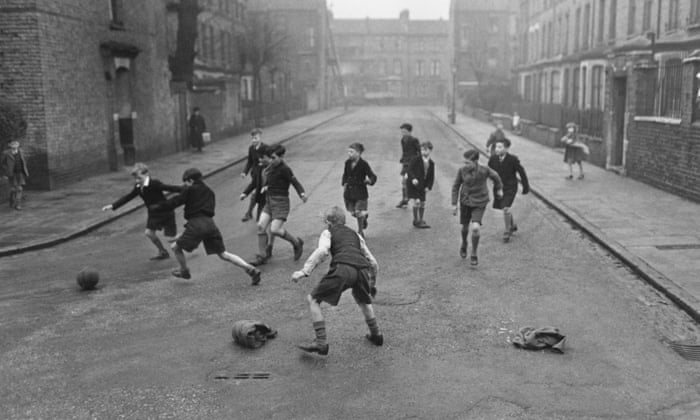
Football has a simple saying: jumpers for goalposts. It captures the simplicity and accessibility of the game and its universal appeal.
But football has always been more than just a game. It is culture. The beauty of football compared to other sports is that you can play it anywhere, with anyone and with almost nothing.
My first World Cup memory was USA '94. Ireland had qualified, the country ground to a halt and Jack Charlton's team gave us one of the great Irish sporting summers.
I had my sticker books, collected newspaper pull-outs along with my imagination. I spent hours playing football on the road, depending on the day, in my head I was Jorge Campos, Gheorghe Hagi, Maradona or Romário.
That was the fan experience available at the time.
Two years later came Euro '96. Long before creators were a thing, David Baddiel and Frank Skinner were doing football content creation. Fantasy Football League became part of the tournament, Three Lions became the soundtrack of the summer and football tapped into the Britpop era.
Our influencers at the time were Eamon Dunphy and John Giles, and the country looked forward to them bringing RTÉ's coverage to a complete standstill before the great mediator Bill O'Herlihy had to step in and get things back on track.
The product evolved
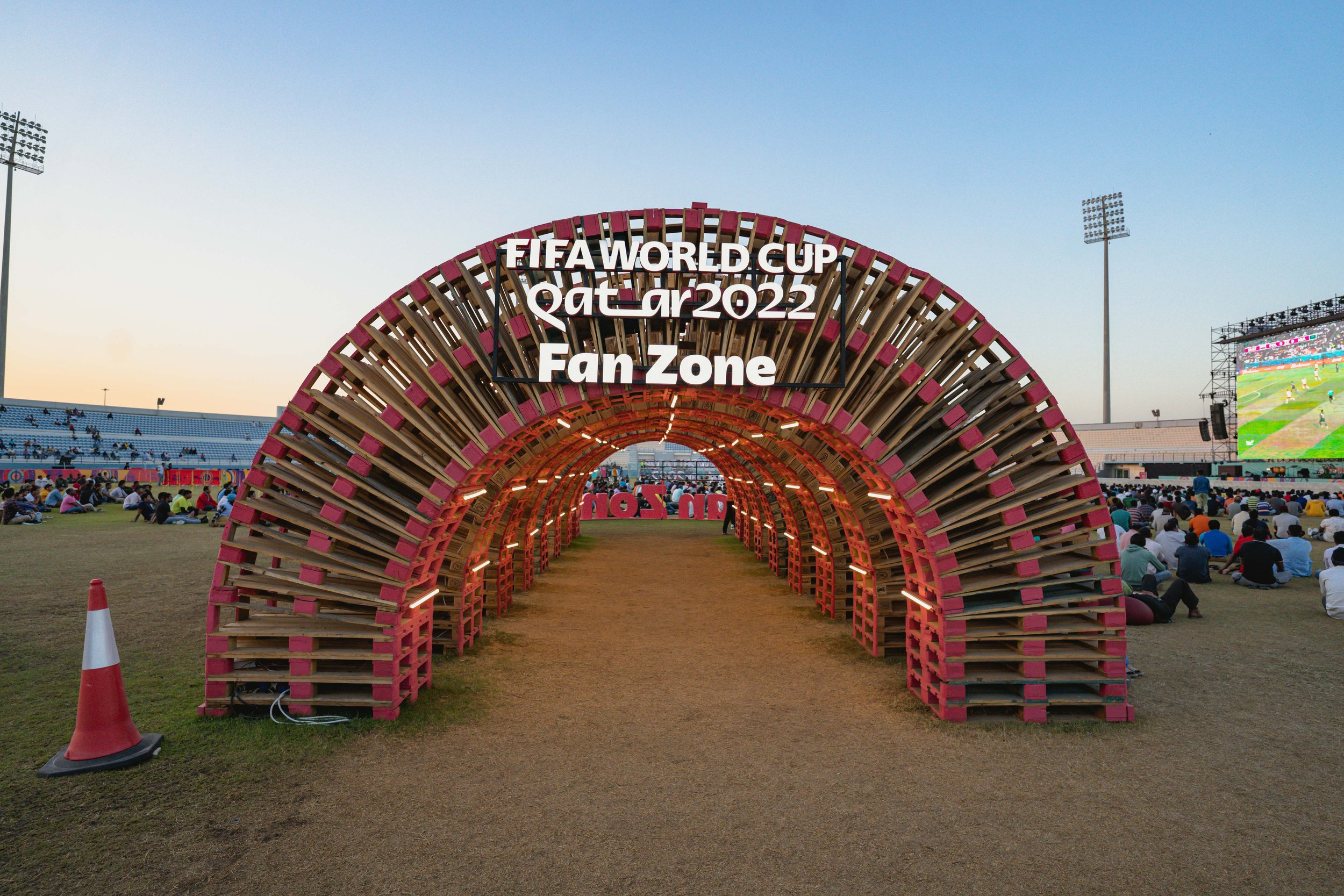
From USA '94 to USA '26, the fan experience has completely evolved.
In 1994, we had sticker books, newspaper pull-outs and our imagination. Today, fans don't just watch the World Cup. They participate in it.
Creators, watch-alongs, prediction games, fan zones, social media and a constant stream of content have turned the tournament from something people watch into something people now participate in.
The game has stayed the same. The relationship with it has changed.
Most of the evolution has been largely positive and at the same pace as the development of the online world.
Over the thirty years, the game itself has remained largely unchanged. Sure, there have been subtle changes to the game. The back-pass rule, VAR and a handful of tweaks to the laws of the game. VAR is a discussion for another day.
None of the changes have fundamentally changed football. It still has two goals and you get one point for a goal.
Football hasn't needed to introduce major changes such as a three-point shot, shot clocks, shortened formats or overhaul the game to stay relevant.
The real innovation has happened around the product on the pitch, not to it.
The growth dilemma
Every successful organisation eventually faces the same problem.
How do you keep growing once you've built something hugely successful?
FIFA's answer based on the latest version of the World Cup has largely been to build onto it rather than reinvent it.
More teams. More matches. More creators. More host countries. More fan experiences. More commercial opportunities.
It's easy to understand why.
Fans today don't just watch football in the traditional sense. Younger supporters consume the game differently. They might watch the highlights on YouTube or TikTok, follow creators who shape the narrative, listen to ex-pro players debate it on a podcasts, play prediction games and engage with the tournament long before and long after kick-off.
A match now lasts around 100 minutes but the commercial opportunity lasts much longer.
To be fair, the product on the pitch has delivered largely excluding the Final. Sold out stadiums with tight games packed with drama. The star names generally showed up for their countries on the biggest stage adding to the tournament appeal.
What really struck me though was the amount of noise happening around it. I've never seen anything like it.
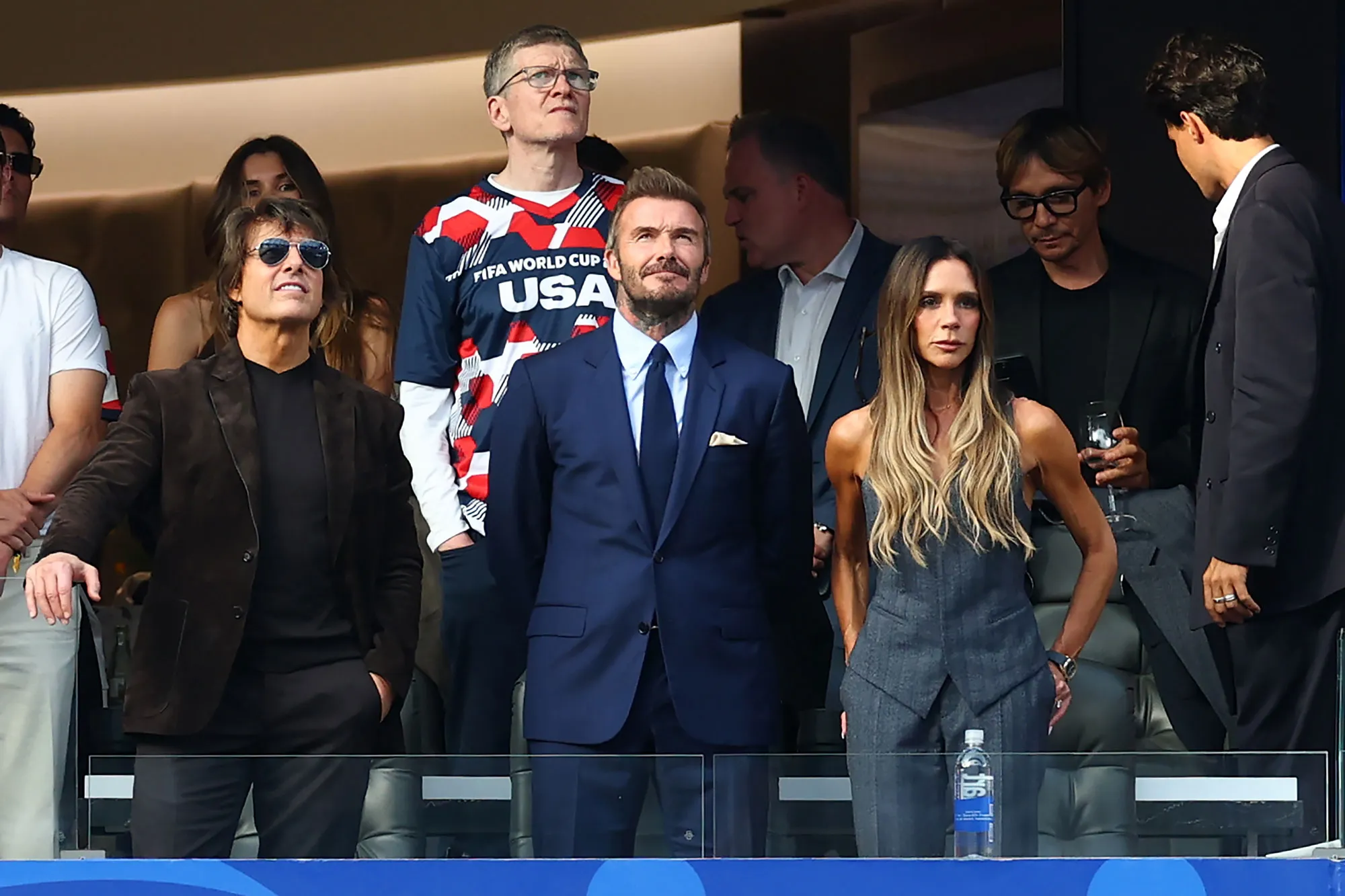
Throughout the tournament, the TV coverage seemed just as interested in the world going on around the game as the game itself. Regular shots of celebrities in the stands. Regular cuts to Gianni Infantino. At times, it felt like the producers wanted to remind us this wasn't just a football tournament, it was an entertainment event like the NBA All Star game or the Oscars. Maybe that's exactly the strategy.
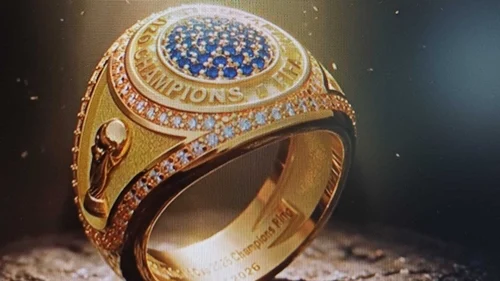
We've even see the introduction of US style championship rings for the winners which appears to be the latest sign of the governing body's push to Americanise its flagship tournament.
But it also made me wonder whether football was becoming a support act in its own show.
The attention paradox
World Cup matches now regularly stretch beyond 100 minutes once stoppage time is added. The tournament has expanded from 32 to 48 teams and there are more matches than ever before.
Yet we live in a world where attention spans are getting shorter.
Many younger supporters don't watch every minute. They catch the highlights, watch clips, follow creators and often have multiple screens open at the same time.
FIFA is asking supporters to spend more time with its product at exactly the time when people are becoming more selective with their attention. We see other sporting organisations making shorter formats of their game but FIFA are doing the opposite.
It's an interesting contradiction.
The lesson for management
Following the World Cup over the last few weeks reminded me of one of the main pillars of strategic management: Ansoff's Growth Matrix.
Once you've built a successful product, the obvious question becomes where growth comes from next. New markets. New products. New revenue streams.
Looking at this World Cup through that lens, FIFA's strategy makes perfect sense.
It hasn't really changed football. It's built more around it. FIFA has embraced every opportunity to grow the World Cup beyond the football itself.
Fan Festivals. Creators. Prediction games. More teams. More matches. More host countries.
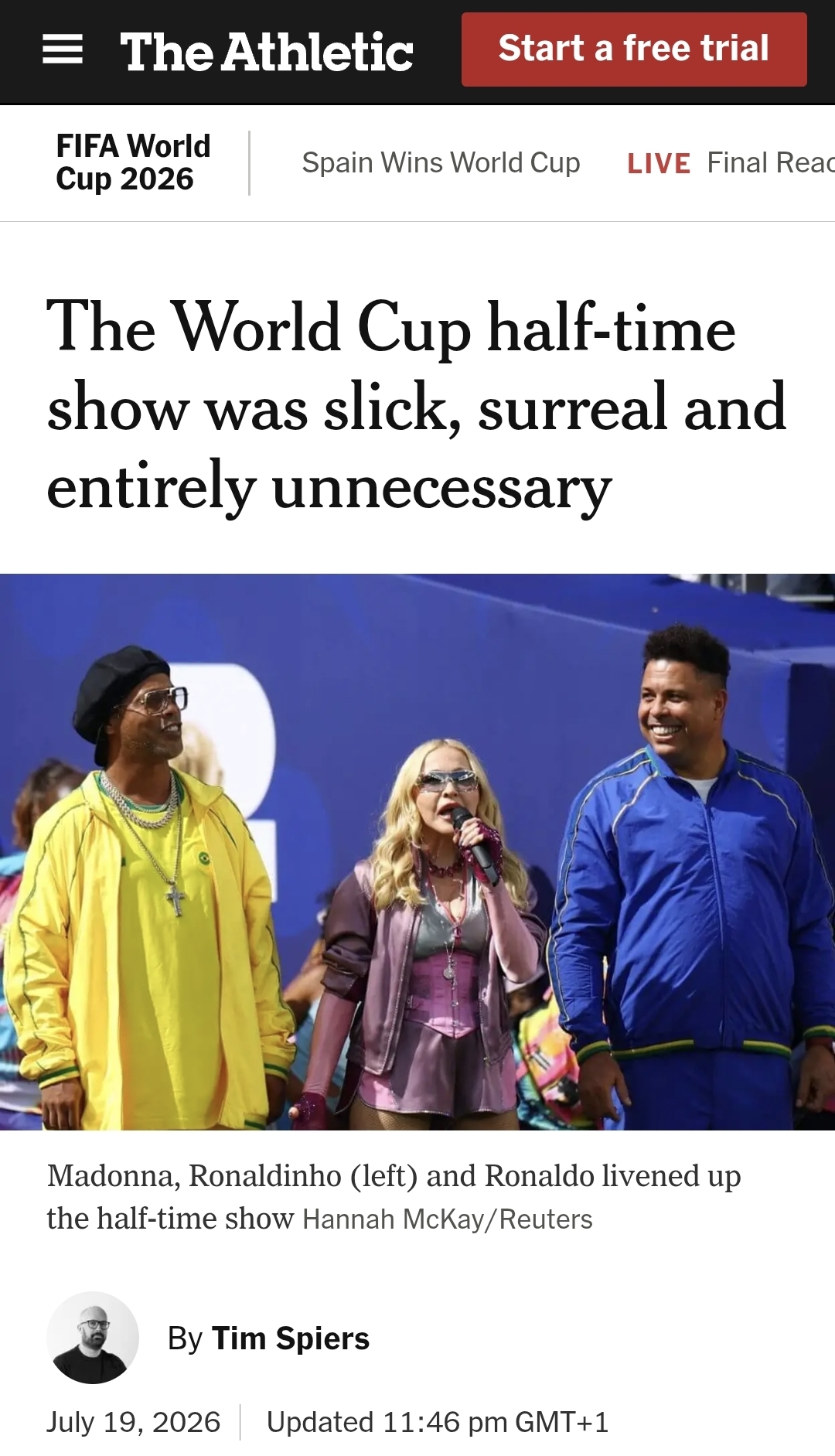
Then there is the unmistakable influence of American sport. A Super Bowl-style half-time show that, for many left a little to be desired. Championship rings for the winners. A seemingly endless parade of celebrities in the stands that the cameras were fixated on.
None of these ideas are inherently bad. Many have undoubtedly broadened the tournament's appeal and created new commercial opportunities.
The question for me is whether they were enhancing the World Cup or competing with it.
Commercially, it's hard to argue with.
The strategic question is whether there comes a tipping point where the layers added around the product become bigger or more important than the product itself.
Maybe that's the lesson from this World Cup.
Every organisation has opportunities for growth. The difficult bit sometimes isn't finding them. It's knowing when you're building on what made you successful and when you're moving away from it.
Blog by Padraig O'Donnell